
His Empire, His Woman
Synopsis
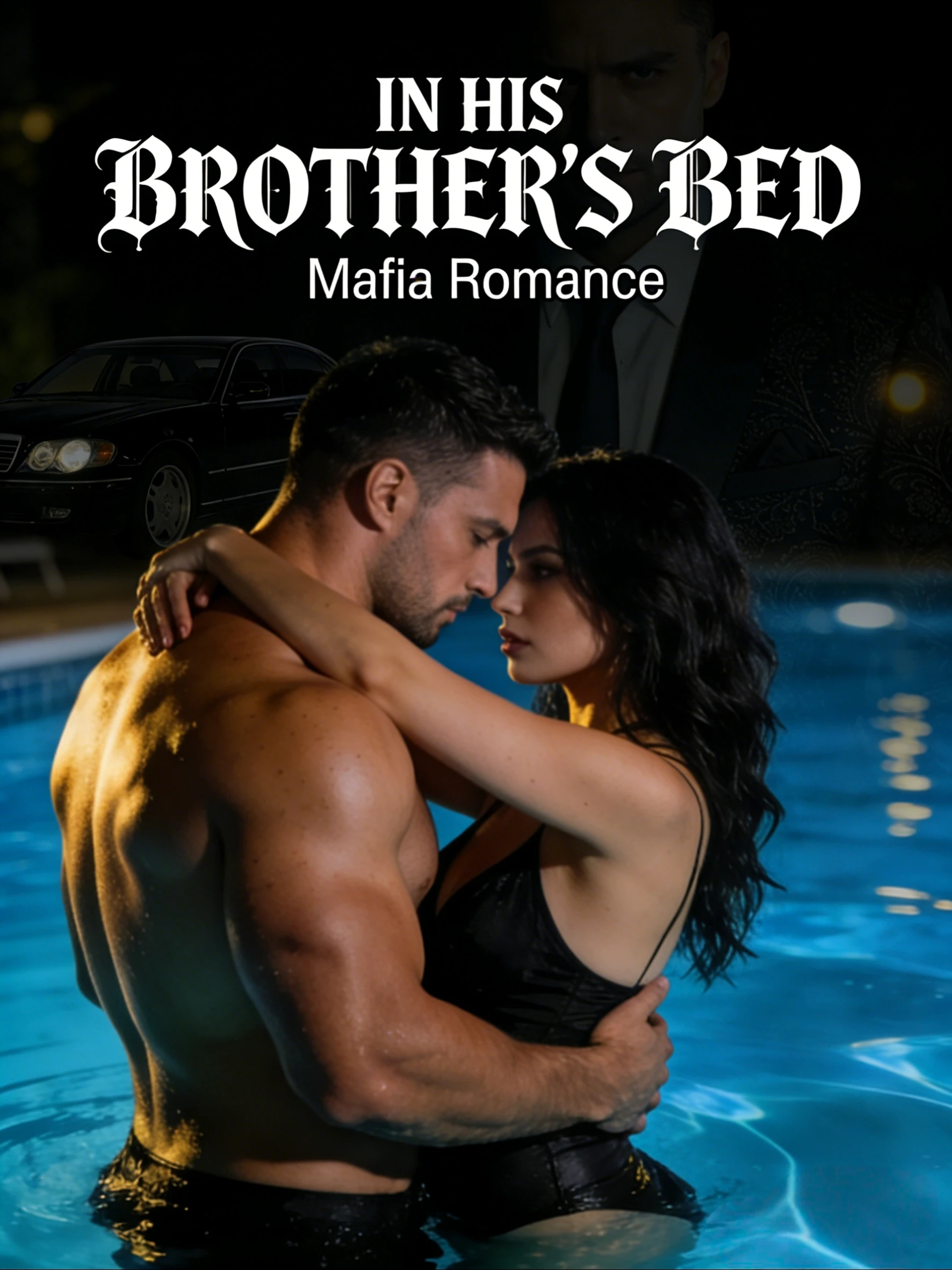
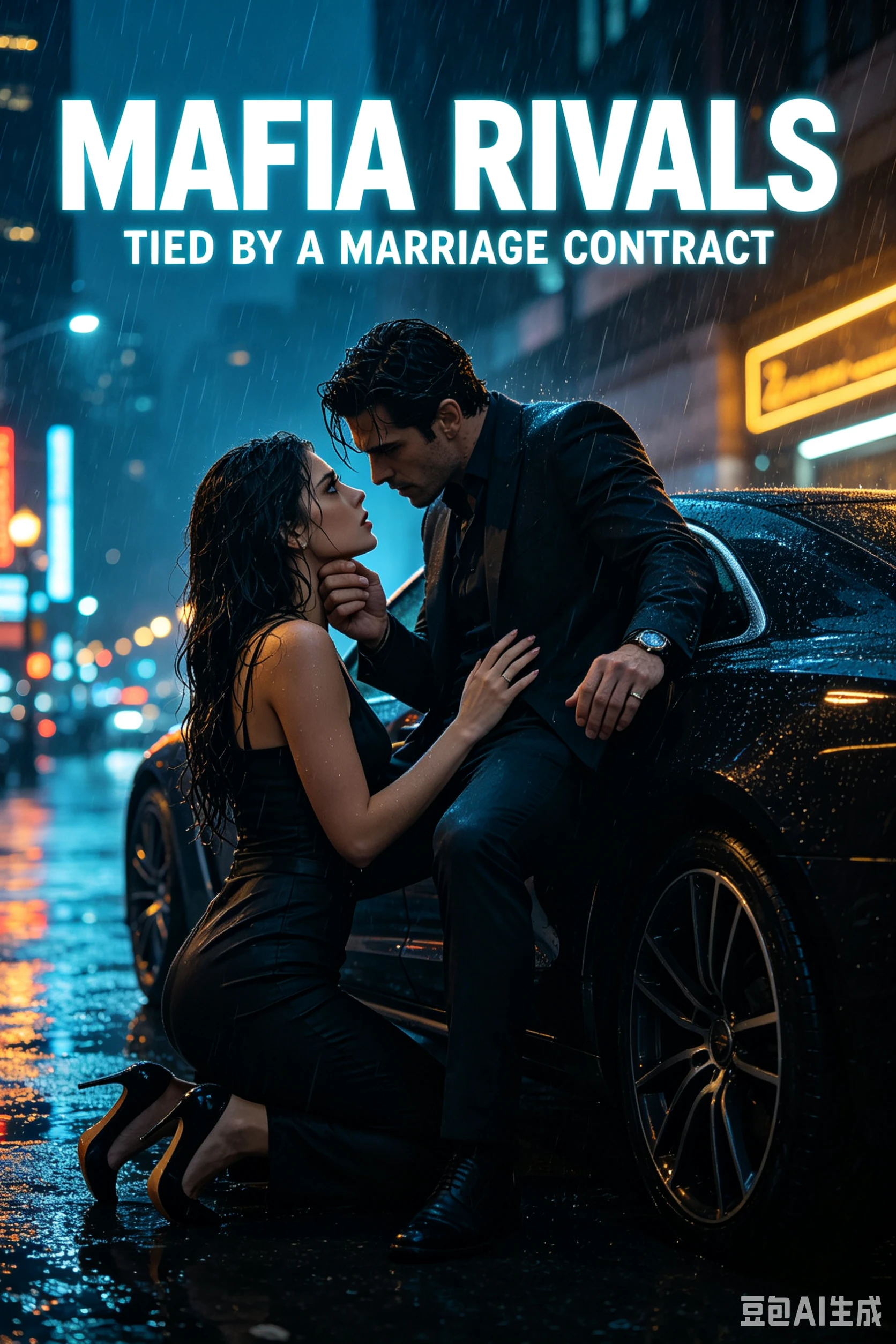
A paper marriage binds her to the ruthless CEO of a media empire. He thought she was just a convenient shield in a corporate war, but as they fight off family rivals and mafia threats, their fake arrangement ignites into a dangerous reality. When the contract is up, she's ready to walk. But he corners her, eyes burning: "In my world, there's an entry, but no exit."
Chapter1
“But…” My smile dimmed.
“Are you kidding? It’s a ten-minute detour, Ethan.”
The words still clung to the roof of my mouth like burnt sugar when the first blade of sunrise slid between the loft’s half-open blinds and nicked the opposite wall. Chelsea District was waking up in layers: delivery vans sighing at curbs, espresso machines hissing behind brick, the river giving back a copper shine that hurt to look at. I tasted metal on my tongue and told myself it was only city air.
I rolled sideways, shoulder blades peeling off the wrinkled percale, and groped for the phone on the barn-pine bedside table. The screen woke before I touched it, as if it had been waiting.
HAPPY BIRTHDAY, LOVE.
No sender ID—same as every year since I turned twenty-one.
The letters glowed soft, almost shy, but the message behind them felt like a hand laid flat against my sternum—warm, steady, pushing. Whoever you are, I thought, you have the timing of a stage manager. I thumbed the text shut, heart ticking a fraction faster, and let the device drop on the quilt. One mystery at a time; Mom was already humming in the kitchen.
I stood, vertebrae crackling like wet kindling, and padded across the reclaimed floorboards Mom and I had sanded ourselves the summer Dad moved out. Sawdust memories. I passed the leaning tower of unopened mail—concert tickets, royalty statements, at least three birthday cards shaped like cocktails—and caught my reflection in the hallway mirror: hair sticking up like wind-blown reeds, eyes puffed but awake. Thirty today. The number felt heavier than the sum of its days.
“Morning, Mom,” I called, ruffling the mess down.
“Morning, sweetheart.” She lifted her cheek for the usual kiss; I leaned down. Her skin smelled of grapefruit lotion and the faintest trace of printer ink. She’d probably been up since five editing the new manuscript—somebody’s dystopian romance set in a flooded Monaco. Mom’s red pen was probably still capped between her teeth.
“If it were my call, I’d stay home and eat pancakes with you all day,” I said, meaning it.
She gave me the lopsided grin that had gotten her out of speeding tickets since 1987. “But it’s your birthday. Can’t your bosses survive one day without you?”
The coffeemaker gurgled like it resented the question. Whitfield & Reed Media expected its junior acquisitions editor at his desk by eight sharp, birthday or national holiday, and the seasonal brief on the Voronov Syndicate memoir sat half finished on my Surface Pro. I still hadn’t cracked the Ukrainian legal-release clause; the lawyers wanted indemnity language that read like a chess problem. Missing one day might sink the project—and my shot at the promotion they kept dangling.
Mom poured batter onto the griddle; it hissed, and the scent curled under my ribs. “Thirty years ago right now,” she said, sliding a spatula through memory, “you were screaming at the obstetrician for pulling you into rush-hour traffic.”
“Some things never change.” I poured myself a cortado and leaned against the marble breakfast bar, watching batter blister into perfect circles. The loft’s east windows framed the skyline like a postcard someone had forgotten to mail. A single cloud drifted above the river, shaped uncannily like a question mark. I looked away.
Mom flipped a pancake. “You’re going to see Grace at the office?”
“Editorial at ten, then lunch with Brandworks.” I tried to sound casual, but my pulse stuttered. Grace Whitfield—senior editor, daug
Dressing was ritual: socks first (left, then right), chinos rolled twice at the cuff, shirt sleeves pushed to mid-forearm. I cinched my grandfather’s vintage Vacheron—its numbered dial cracked but honest—around my wrist. The canvas messenger bag sat by the door, already packed with proofs, charger, emergency almonds. I slipped in the latest draft of the Syndicate memoir, still warm from the laser printer. My reflection in the hallway glass looked almost adult.
Mom met me at the door holding a steel bento box. “Birthday lunch,” she said. “Soba with sesame dressing. Don’t let Grace steal it.”
I hugged her hard, felt her ribs expand with a held breath. “Save me a pancake for tonight?”
“Stack,” she corrected.
The Lyft Line pulled up exactly on cue: a silver Lucid Air with butterfly doors that flared like wings. The driver, a woman with teal braids, nodded at my bag. “Whitfield Plaza, right?”
“Yeah.” I climbed in, door sighing shut. As we glided away I twisted to see Mom in the window, one hand lifted, the other clutching the spatula like a scepter. The car turned the corner and she vanished.
Traffic on East 17th moved in reluctant inches. Horns argued; bike messengers wove between lanes on titanium track cycles that flashed like fish scales. My phone vibrated again—unknown number, same as the birthday text. I let it ring out, pulse climbing. After four rings it stopped. A second later a single emoji appeared: a tiny hourglass. Nothing else. I exhaled through my teeth.
The driver caught my eye in the mirror. “You okay back there?”
“First day of school nerves,” I lied.
She grinned. “Thirty, right? My kid just hit nine. Says every birthday adds another monster under the bed.”
“Tell your kid the monsters unionize at thirty.”
She laughed, changed lanes, and accelerated into a rare gap. We shot toward Uptown Core, skyscrapers rising like teeth. I opened the bento box, stole a single noodle, and chewed without tasting it. My mind circled the detour Grace wanted—ten minutes, she’d said. Ten minutes could be coffee, could be a kiss, could be a redundancy notice delivered over croissants. The hourglass emoji kept blinking behind my eyelids.
We reached Whitfield Plaza at 7:58. The tower’s glass skin reflected the sky so perfectly the building looked half air. I thanked the driver, stepped onto the sidewalk, and tilted my head back. Forty-two floors. Somewhere near the summit, the council waited to decide whether a junior editor merited a keycard upgrade. I squared shoulders, pushed through revolving doors, and tasted recycled air flavored with ambition and citrus disinfectant.
Security greeted me by name; I tapped my badge, watched the gate flash green. Elevator bank B was packed with Revenue Lab analysts clutching cardboard trays of cortado. I squeezed in, hugging the bento box, and faced the brushed-steel doors. My reflection fractured across them—dozens of Ethans, all breathing in sync, all pretending they belonged. The elevator shot upward; ears popped.
Floor twenty-eight: Editorial. The doors parted to reveal open-plan chaos—half-finished partitions, stacked galleys, the permanent hum of deadlines. Grace’s office sat on the north wall, glass walls frosted so her silhouette moved like a ghost behind milk. I stepped out, felt carpet absorb the morning’s last tremor of home, and walked toward my cubicle. A wrapped parcel waited on the chair—small, square, brown paper tied with butcher’s twine. No tag.
I set the bento down, lifted the parcel. Light. Whatever nested inside shifted slightly, like a heartbeat. My throat dried. Around me, keyboards clacked; nobody looked up. I slipped the twine free, unfolded paper. A simple black box. I hesitated, then opened it.
Inside lay a single antique key—brass, ornate bow shaped like a raven in flight. Beneath it, a slip of paper:
Ten minutes, Ethan. Take the detour.
—Love
The same anonymous sender. The same looping handwriting I’d seen on birthday envelopes since college. My pulse hammered against cartilage. I snapped the box shut, shoved it into the messenger bag, and felt the world tilt a few degrees off axis.
Grace’s door opened. She stepped out, wearing charcoal linen and the smile Mom had predicted. “Ethan, you’re early.” She tilted her head. “Ready for our quick bite?”
I swallowed the taste of brass and mystery. “Always ready for detours,” I said, voice steadier than my ribs felt.
She laughed, unaware her ten minutes had already started.
The marble breakfast bar glowed under the pendant lights like a slab of moonlit ice. A cortado—two shots of espresso cut with a whisper of steamed milk—sat beside a plate of smashed-pea bruschetta, the peas bright as early spring grass, the toast still audibly crackling. I smelled lemon zest and garlic before I saw the dish, and my stomach answered with a small, traitorous growl.
“You haven’t taken a single sick day in three years,” Mom said, wiping her palms on the dish-towel slung over her shoulder. Her voice carried that particular blend of pride and scolding she’d perfected when I was eight and refused to stay home with the flu.
I swallowed the first scalding sip of cortado. “Mom, direct order from the top. The new publisher flies in from Brighton specifically for today’s editorial meeting.”
She folded the towel into a neat square, the way she folded everything—grief, worry, hope—into manageable rectangles. “So skip it. Half the staff are remote anyway—no one will notice.”
Steam curled between us like a reluctant spirit. I set the cup down harder than intended. “This is the first time the big boss has set foot in our office. I can’t bail.”
Mom’s gaze traveled over my face the way a cartographer charts disputed land: gently, but certain of every boundary. She finally exhaled, the sound soft as sifted flour. “Fine. Just be home by six. I’m making your favorite panna cotta.”
The deal felt like a treaty signed under duress, but I’d take it. “Deal.” I circled the island, the tiles cool against my socked feet, and hugged her. Vanilla perfume—she’d worn the same modest spritz since I was twelve—rose from the hollow of her collarbone. For a second I was shorter, lighter, certain that mothers could repel every monster simply by existing.
She patted my back twice, the way one tests a melon for ripeness. “I should head out—traffic to Uptown Core is brutal.”
“You barely ate two bites.” She nudged the bruschetta toward me. A pea tumbled off the edge and rolled across the marble like a runaway planet.
“Relax, you already packed my steel bento box, right?” I hoisted my canvas messenger bag onto my shoulder; the strap bit satisfyingly through the fabric of my blazer. Inside, next to the boxed lunch, my Surface Pro hibernated, sixteen unedited manuscripts waiting to be wrestled into shape.
Mom waved me off, smiling despite herself, the dish-towel now draped like a surrender flag over her forearm. “Text me when you get off the subway.”
“Subway’s too slow.” I pointed at the window where the morning sky had ripened into a blameless blue. “I’m walking to Uptown Core. Twenty-five minutes if I jaywalk shamelessly.”
“Wear the reflective armband,” she called as I yanked open the apartment door. The hallway smelled of burnt toast and someone else’s coffee, a communal sigh of early departure.
I jogged down five flights, the stairwell echoing like a drum solo. Our building—pre-war, stubbornly unrenovated—had an elevator that moved like a sedated sloth and smelled of rust and onions. On the third landing I overtook Mrs. Kowalski from 4B, her toy poodle tucked under one arm like a furry handbag. She greeted me in Polish; I answered with a breathless “Dzień dobry” that made her laugh.
East 17th greeted me with the honk and clatter of any weekday: green taxis idling, delivery bikes weaving, the smell of roasted chestnuts drifting from a corner cart. I merged into the pedestrian current, earbuds in but no music yet—I needed the city’s soundtrack first. Somewhere a jackhammer argued with concrete. A bus exhaled a hot sigh of brakes. My own pulse kept time against the pavement.
At the corner of Park Row, a street magician tried to coax a rose to levitate; the rose refused, stubbornly terrestrial. I dropped a dollar into his hat anyway. He winked, the rose suddenly upright, as if ashamed of its earlier failure.
I crossed against the light, dodging a Lyft Line that crept along the curb. The driver, a woman in oversized sunglasses, mouthed “Sorry” when her front tire kissed the edge of a puddle and sent a crescent of gray water across my ankles. Cold seeped through my socks—welcome to Tuesday.
Between buildings, the Whitfield Plaza spire glinted like a needle trying to mend the sky. Thirty-eight floors of glass and ambition, and somewhere near the top the new publisher—Julian Park, youngest ever to helm Whitfield & Reed Media—waited to decide which of us still mattered. Rumor said he’d flown in on a charter turboprop at dawn, refusing the company jet because “propellers feel honest.” I pictured him stepping onto the tarmac hair perfectly tousled by the wind, the way men who’ve never doubted their place in the world allow wind to tousle them.
My phone buzzed: a calendar reminder decorated with a tiny confetti emoji—EDITORIAL SHOWDOWN 9:00 A.M. Who added the emoji? Probably Chloe from Brandworks, eternal optimist, convinced every crisis was a confetti cannon waiting to happen.
I walked faster. The smashed-pea bruschetta sat uneasily in my stomach, peas staging a protest. I passed Liberty Green where dog-walkers negotiated with terriers and finance bros jogged in compression tights that looked sprayed on. A mime followed me for half a block, imitating my hurried stride until I spun around and applauded him; he bowed, trapped in an invisible box of his own making.
By the time Uptown Core’s chrome façade filled my vision, my shirt clung to the small of my back. Security guards in charcoal suits scanned badges with the solemnity of border agents. I fumbled for my lanyard, fingers clumsy. The guard—Valdez, I’d seen him every weekday for two years—nodded me through. “Big day, Mr. Reed,” he said, using the surname I’d never earned but somehow inherited from the company logo.
“Every day’s big when you’re vertically challenged,” I joked, because height felt like the only thing I could still joke about. Valdez chuckled, the sound warm as coffee grounds.
The elevator bank pulsed with quiet dread. I squeezed into car nine with seven other early arrivals, all of us avoiding eye contact by watching the floor numbers climb like a slow-motion lottery draw. Someone’s breath smelled of mint and fear. My reflection in the chrome wall looked sharper than I felt—jaw clenched, eyes ringed with the pale violet of sleepless nights spent annotating manuscripts I wasn’t sure anyone would ever read again.
Floor thirty-one: the council’s suite. The doors sighed open onto a corridor carpeted in whale-blue. Whitfield & Reed’s logo—an ampersand shaped like a quill—was woven every three feet, a subtle reminder that we sold stories the way other people sold time-shares.
Chloe intercepted me by the water cooler, her curls springing like exclamation points. “He’s already inside,” she whispered, eyes wide. “Brought his own chair. Carbon fiber, weighs less than a paperback. Also—get this—he took notes on parchment with a fountain pen. Parchment, Ethan. Like we’re monks illuminating the gospel of quarterly earnings.”
I swallowed. “Style or warning?”
“Both, probably.” She handed me a printout—my seasonal brief, annotated in red. “He circled your digital-first proposal. Wrote ‘quaint’ next to it. Quaint is bad, right? Quaint is what my grandma calls TikTok.”
Before I could answer, the glass doors of Conference C whisked open. Julian Park stood framed in the aperture, all lean angles and calculated ease. His blazer was the color of wet slate, his smile a quick, bright blade. Behind him, the long walnut table gleamed under recessed lights like a runway awaiting reluctant models.
“Ethan Reed,” he said, extending a hand. His grip was temperate—neither crushing nor limp, the handshake of someone who’d read the manual on moderation. “I’ve been circling your acquisition list. Impressive instinct for back-list gems.”
My throat felt suddenly parchment-dry. “Thank you, sir.”
“Julian,” he corrected, ushering me in. “Titles are for business cards, and I left mine on the tarmac.”
Chloe shot me a look that said survive, then scurried to her seat. I took the one opposite Julian, placing my Surface Pro like a shield. Around the table, the department heads arranged their faces into variations of optimistic compliance. The air smelled of lemon polish and the faint ozone of nervous electronics.
Julian tapped his fountain pen—matte black, nib gleaming like a miniature scythe—against a leather notebook. “Let’s begin with a thought experiment,” he said. “Imagine a book that no one reads, yet everyone talks about. Does it exist?”
Silence ballooned. I felt the collective mental scramble: was this a trick question, a koan, a trap?
I cleared my throat. “It exists in the same way a tree falling in an empty forest makes a sound. Vibration happens. Impact registers. The ecosystem changes even without witnesses.”
Julian’s eyes—storm-cloud gray—landed on me. A smile ghosted across his mouth. “Exactly. Our job is to cultivate that forest, to make sure the fall matters.” He uncapped the pen with a soft snick. “So let’s decide which trees we chop.”
The meeting blurred into a series of rapid-fire decisions: kill the poetry imprint, rebrand the romance line, pivot half the marketing budget to an app that turned classic novels into text-message serials for teenagers. Each verdict felt like a small amputation performed without anesthesia. I argued for two mid-list authors whose sales had flatlined; Julian listened, head tilted, then countered with data visualizations that looked like abstract art but landed like hammers.
When the clock struck eleven, he closed his notebook. “Lunch break. Reconvene at one. Ethan, walk with me.”
My pulse stuttered. I followed him out through a side door onto a terrace that ringed the building like a glass halo. Wind whipped, carrying the smell of river diesel and distant bakeries. Thirty-one floors below, traffic crawled like neon ants.
Julian leaned against the railing, surprisingly relaxed for a man who’d just dismantled a decade of editorial tradition. “Your mother’s panna cotta,” he said. “Does she use vanilla bean or extract?”
I blinked. “Vanilla bean. Why?”
“I overheard you mention it on the phone this morning. Sound carries in old buildings.” He turned, eyes bright. “I’m inviting myself to dinner.”
A laugh escaped me before I could police it. “That’s… unprecedented.”
“So is survival.” He faced the skyline. “Your imprint—Artisan Classics—loses money. Beautifully, but consistently. Convince me to keep it before the council reconvenes.”
My mind raced. Below, a green taxi honked twice, impatient at a jaywalker. Somewhere in Chelsea District my mother stirred custard, unaware her dessert might decide my future. I inhaled city air, sharp and electric.
“Artisan Classics is the conscience of Whitfield & Reed,” I began. “It doesn’t trend, it endures. We reissue forgotten voices—women, immigrants, queer writers whose books were pulped for pulp. Give me two years, digital serialization, classroom partnerships, and I’ll turn red ink black without diluting the mission.”
Julian listened, wind tugging his hair into small rebellious curls. Finally he extended the fountain pen. “Write your plan on this.” He tore a strip of parchment from his notebook, absurdly small, like a fortune cookie’s prophecy.
I hesitated, then scribbled three bullet points, handwriting cramped by urgency. When I handed it back, our fingers brushed—his skin surprisingly cold.
He read, nodded once, and tucked the parchment into his breast pocket. “Dinner at six,” he said, pushing off the railing. “I’ll bring wine. You bring conviction.”
The terrace door closed behind him with a pneumatic sigh, leaving me alone with the skyline and the sudden certainty that the forest we’d discussed was already burning, and I’d just volunteered to be either its gardener or its kindling.
I checked my phone: 11:17 a.m. Six hours until panna cotta, until my mother met the man who might salvage or scuttle my career. I texted her: Guest for dinner. Bring extra spoons.
She replied instantly: I already packed your steel bento. I’ll unpack the good china.
I pocketed the phone, squared my shoulders, and walked back into the glass tower where futures were edited like manuscripts—some lines cut, others rewritten, the best sentences the ones that survived the red pen.
Ten minutes later I’m staring up at the glass tower that houses Whitfield & Reed Media. The sunrise ricochets off the curtain wall in a thousand orange shards, making the whole building look like it’s burning from the inside out. I tighten the strap of my canvas messenger bag, suck in a breath that tastes of bus exhaust and overheated brake pads, and push through the revolving door.
“Morning, Grant.” I nod at the security guard stationed behind the polished walnut podium. His badge catches the lobby light—Grant Ramirez, Head of Welcome, embossed in discreet gold.
“Morning, Ms. Harper.” His grin is pure Riverside warmth, the kind that makes you believe the city still keeps a few gentle souls in reserve. He taps the glass countertop twice, a private little drumbeat he’s performed every weekday for the two years I’ve been sprinting through this lobby. “Surface Pro’s hanging open there, Ms. H. You’ll flash the whole elevator bank if you don’t zip.”
Heat floods my cheeks. I yank the zipper shut, nearly catching the tail of my blouse. “Thanks. Saves me from an HR lecture on workplace decency.”
He winks. “People First already has enough slideshows.”
The “Ms.” makes me feel thirty instead of twenty-eight. I salute him with two fingers and head for reception, heels clicking against the imported Italian marble that costs more per square foot than my monthly rent.
Ava—bubble-gum-popping, neon-lipstick-wearing Ava—spins a fountain pen between her fingers like a miniature baton. The pen is bright pink today, matching the streak in her dark pixie cut. A half-eaten cinnamon roll bleeds sugar onto a porcelain saucer beside her monitor.
“Hey, Ivy.” She draws out the vowels, singsong, as if my name is a chorus she can’t wait to replay.
“Hey.” I sag against the marble counter, still catching my breath. The espresso machine behind her hisses like an irritable cat. My pulse thuds in my ears; I swear I can feel every cappuccino I chugged this weekend vibrating through my veins.
“You should try Lyft Line. Save your calves.” She eyes the faint sheen of sweat on my forehead with the sympathy of a fellow survivor.
“Thanks.” I down the complimentary espresso shot she shoves toward me. The ceramic cup is doll-sized, but the coffee is volcanic. It scorches the back of my throat and jolts my brain awake like jumper cables on a frozen battery. “I left my metro card on the kitchen counter. Again.”
“Seriously, Ivy, hailing a green taxi at rush hour is like hunting unicorns.” She flicks a crumb off her keyboard. “You’d have better luck finding a numbered Vacheron in a thrift store.”
“Paying surge pricing feels wasteful,” I counter, wiping a stray drop of espresso from my lip. “I’m still paying off Kingsley College. Every extra buck matters.”
Ava leans forward, elbows on the counter, chin in her palms. “If loving fast fashion and overpriced lattes isn’t wasteful, I don’t know what is.” Her gaze flicks to the pleated sleeve of my blouse—last season’s clearance rack, thirty-nine ninety-nine, dry-clean only but I machine-washed it anyway. The seam is puckered like a shy smile.
“I need to look decent for the new publisher,” I say, smoothing the fabric uselessly. “First impressions matter.” My stomach flips at the thought: Mr. Whitfield, legendary for his iceberg-blue stare and appetite for digital disruption, touring the cubicle farm today. Rumor claims he fires people mid-sentence if their KPI slide lacks sparkle.
Ava’s expression softens. “You’ll dazzle him, Ivy. You’ve got that whole ‘I read P&L statements for fun’ vibe.” She taps a button on her switchboard. “Thirty-eight is buzzing for you already. Brandworks wants last quarter’s retention numbers.”
“Of course they do.” I push off the counter, shoulders squared. “Save me a cinnamon roll?”
“Only if you promise not to barter it for a green taxi.”
I laugh—an abrupt hiccup of sound—and swipe my badge at the turnstile. The gate swings open with an electronic chirp that feels like a starting pistol.
Inside the elevator bay, chrome doors mirror my reflection: wind-whipped auburn hair, green eyes rimmed with last night’s leftover eyeliner, blouse wrinkled like a grocery receipt. I look like I’ve already worked a full shift. Great.
The elevator arrives with a polite ding. I step in, press 38, and watch the lobby shrink below. Grant waves; Ava twirls her pen. The doors seal shut, trapping me with the scent of lemon disinfectant and someone’s grapefruit cologne. My stomach growls, angry at the espresso invasion. I unzip my bag, feel around for the steel bento box I packed at dawn—leftover quinoa, roasted peppers, a single square of dark chocolate for emergencies. My fingers brush the folder labeled “Seasonal Brief—Q2 Pitch” instead. The paper inside crackles like dry leaves. Twenty-three pages of projections, trend forecasts, and a single paragraph describing the podcast I’ve been quietly editing at night. The podcast nobody asked for, the one I’m hoping will convince Mr. Whitfield I deserve the vacant Senior Content Strategist chair.
The elevator climbs past floors of sleeping departments: Revenue Lab on 24, still dark; People First on 31, a lone lawyer pacing under fluorescent glare. My ears pop. I swallow hard, tasting bitter coffee.
Floor 38. The doors part.
Editorial row stretches ahead—an open-plan ocean of low partitions, dual monitors glowing like aquariums. The overhead lights haven’t fully warmed up yet; they hum in minor keys. Someone’s left a half-finished cortado on the shared printer. The copy machine wheezes out warm, chemical-scented pages that curl like autumn tongues.
I weave toward my cubicle, past interns whispering over spreadsheets, past Maya—my deskmate—who’s already wearing noise-canceling headphones shaped like tiny UFOs. She doesn’t look up, but her foot jiggles under the desk, a Morse code of anxiety. A neon sticky note clings to my monitor: Whitfield tour—10:15 sharp. Don’t be late. –C
Cole. Deputy editor, chronic early riser, collector of vintage typewriters he never uses. He’s underlined sharp three times, the pen strokes almost carving through the paper. I glance at the corner clock: 9:47. Twenty-eight minutes to polish my soul until it gleams.
I drop into my chair, the hydraulic cylinder sighing in protest. The desk surface is littered with neon index cards—ideas for branded series, potential sponsors, hashtags that might trend if the algorithm smiles. I flip open my Surface Pro, wake the screen, and pull up the podcast pilot. The waveform glows aquamarine against the dark editing suite. I drag the cursor, isolate a clip of an indie author describing how it feels to hold your first printed book: “Like shaking hands with a future you didn’t know you’d reach.” My throat tightens. I loop the phrase, drop it over a soft piano riff royalty-free but still somehow heartbreaking.
Footsteps approach—measured, expensive. Leather soles kissing hardwood. I swivel.
Mr. Whitfield stands at the edge of the aisle, entourage trailing like shadows. He’s taller than his LinkedIn photo suggests, silver hair combed with military precision, eyes the color of winter Atlantic. His suit is charcoal, his tie a whisper of indigo. He holds a tablet angled away from prying eyes, the screen protector matte, reflecting nothing. Cole hovers at his elbow, smile twitching like a faulty lightbulb.
“Ivy Harper,” Cole announces, as if my name is a spell he’s nervous to cast. “Content strategist. Joined us from Riverside Weekly. Analytics wizard. She’s—”
“She can speak for herself,” Whitfield interrupts, voice soft but edged. He steps closer; the air around him smells of cedar and ozone, like a forest after lightning. “Show me something that proves print isn’t dying, Ms. Harper.”
My pulse jackhammers. I stand too fast; the chair rolls backward, bumps Maya’s desk. Her headphones slip; she catches them mid-fall, eyes wide.
I click the podcast file, hit play. The author’s voice fills the aisle: “…shaking hands with a future you didn’t know you’d reach.” The piano swells. I watch Whitfield’s face, searching for a twitch, a blink, anything. His expression remains glacier, but his thumb strokes the tablet’s edge—once, twice.
“Download numbers?” he asks.
“Pre-launch teaser went live forty-eight hours ago,” I answer, amazed my voice stays steady. “Six thousand streams, forty-one percent completion rate, average listen duration twelve minutes. Comment sentiment eighty-seven percent positive. No paid boost.”
He nods, a single economical motion. “Expand it. Eight episodes. Branded microsite. Partner with Revenue Lab—native checkout links inside show notes. I want conversion tracked down to the millisecond.” He turns to Cole. “Give her budget line 4B. And a producer.”
My lungs freeze. Line 4B is experimental funds—usually reserved for VR rollouts or influencer trips to Iceland. Cole’s eyebrows scale his forehead; he recovers fast, taps his phone. “Done.”
Whitfield’s gaze returns to me. “Impress me again in thirty days, Ms. Harper, and we’ll discuss your promotion.” He doesn’t wait for gratitude—just moves on, entourage flowing in his wake like ripples behind a sleek predator.
The aisle exhales collectively. Maya yanks off her headphones. “Did the Ice King just hand you the keys to the treasury?” she whispers.
I sink back into my chair, hands trembling. The podcast waveform shimmers onscreen, suddenly alive, suddenly real. Thirty days. Eight episodes. A producer I haven’t met yet. My reflection in the monitor looks wild-eyed, hair frizzed, blouse still wrinkled—but something fierce flickers underneath.
I open a blank doc, label it “Project Future-Handshake.” My fingers fly across keys, outlining interview targets, segment hooks, sponsor integrations. Mid-sentence, a calendar alert pops up: Lunch w/ Spencer—noon. Spencer from Legal, the one who jokes that contracts are romance novels written by pessimists. He’s been beta-listening to my rough cuts, sending emoji feedback at 2 a.m. I smile despite myself; the expression feels unfamiliar, like a muscle waking after years of sleep.
Cole reappears, drops a glossy black envelope onto my keyboard. “Producer badge. Welcome to 4B.” Inside: a keycard labeled STUDIO 6, fingerprint access, and a tiny silver recorder—sleek, voice-activated, no brand logo. My reflection stares back from its chrome surface: eyes brighter, shoulders squared.
I clip the recorder to my bag strap, tuck the keycard into my wallet beside my half-dead metro card. The cubicle farm buzzes louder now; phones ring, Slack pings, the espresso machine downstairs roars. Whitfield’s shadow lingers in the corridor, a storm cloud promising either ruin or rebirth.
I highlight the entire project outline, change the font to bold. Promotion isn’t a distant mirage anymore—it’s thirty days of sleepless nights, of edits and re-edits, of proving that stories still matter in a spreadsheet world. I hit save, push back from the desk, and stand.
Time to prove I deserve that promotion—one episode, one listener, one future-shaking handshake at a time.
Latest Chapters
The late-summer sun slanted through the plate-glass façade of the corner café on East 17th, painting
The automatic doors of Whitfield Plaza hissed apart and a gust of February air slapped me awake. I h
Ethan’s phone vibrated against the barn-pine bedside table at 7:02 a.m., rattling the empty steel be
The corridor outside the dining room smelled of beeswax and orange rind, the same polish the houseke